The Philippines is an agriculture-dominated country. Agriculture not only serves as a key pillar of the national economy but also underpins the livelihoods of millions of farmers. With the advancement of agricultural modernization, tractors and harvesters have become indispensable core equipment in Philippine agricultural production. Their stable operation is directly tied to the farming efficiency and crop yield of grains, and stands as a critical factor affecting farmers’ income and national food security. Against this backdrop, professional, efficient and comprehensive services for tractors and harvesters act as a vital link connecting agricultural machinery and agricultural production. Moreover, the scientific operation and targeted services of agricultural machinery service teams have evolved into an important driving force for upgrading agricultural mechanization in the Philippines.
The level of agricultural mechanization in the Philippines is still in a phase of steady improvement. Small-sized and low-power tractors dominate the market and are widely used in the cultivation of major food crops such as rice and corn. Harvesters are mainly deployed on large farms and agricultural enterprises, while gradually gaining popularity among small and medium-sized farmers. Constrained by harsh local conditions including narrow and rugged rural roads, unstable power supply and insufficient professional skills of machinery operators, tractors and harvesters are prone to malfunctions during long-term operation. In addition, most agricultural machinery relies on imports with inefficient spare parts supply, further increasing the difficulty of machinery maintenance and raising higher requirements for the professionalism and timeliness of after-sales services. In compliance with the provisions of the Agriculture and Fisheries Mechanization Act (AFMECH Law of 2013) of the Philippines, providing standardized and high-quality after-sales services for agricultural machinery users is not only a manifestation of corporate social responsibility, but also a core pathway to enhance market competitiveness and bolster agricultural development.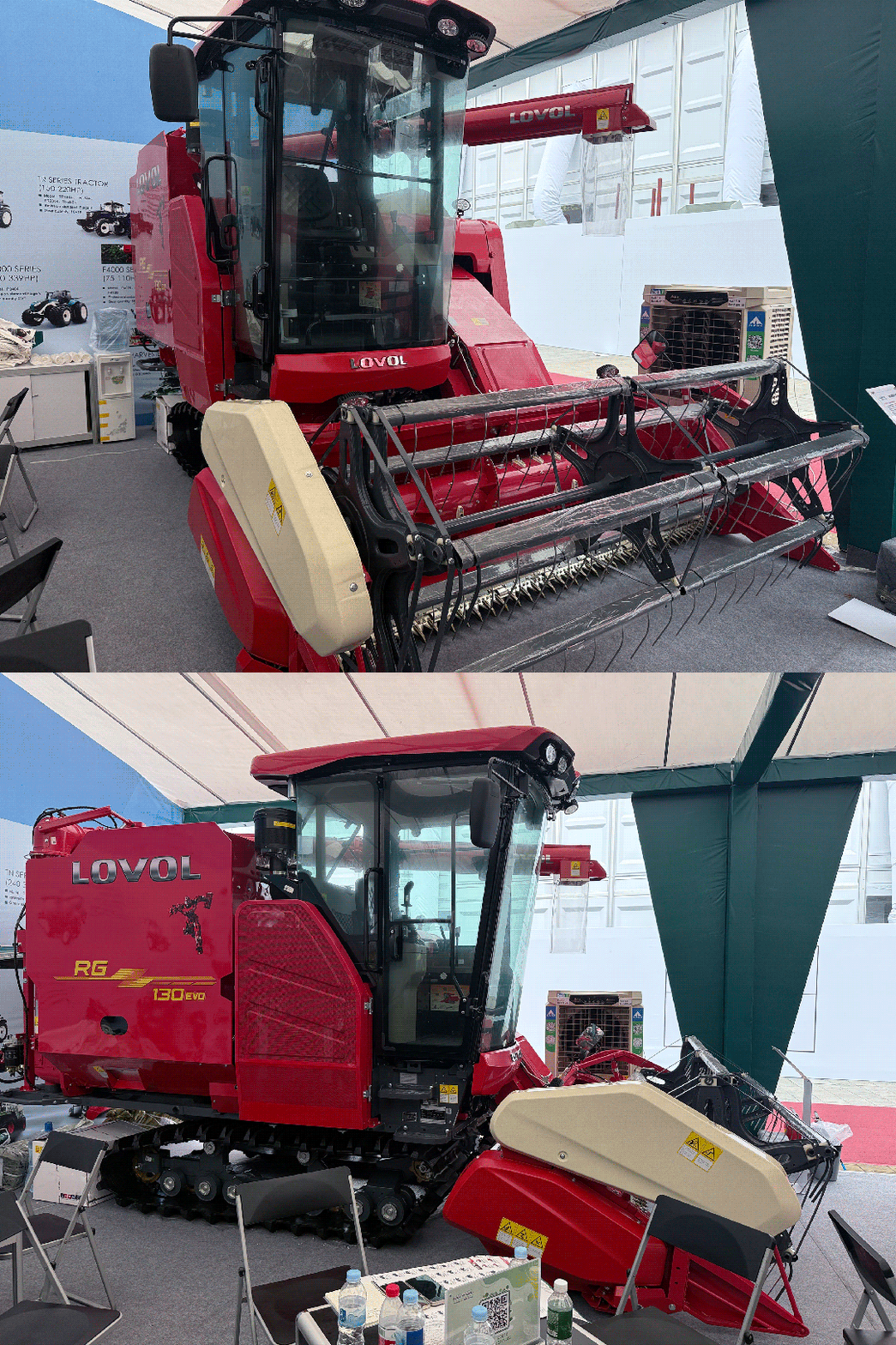
Centering on the core goals of ensuring efficient operation of agricultural machinery, reducing farmers’ production losses, and boosting agricultural quality and efficiency, the agricultural machinery service team has built a full-coverage and whole-process service system covering pre-sales, in-sales and after-sales links based on the actual pain points of agricultural production in the Philippines, solving various difficulties encountered by farmers in machinery operation with professional expertise.
In terms of service layout, aligned with the distribution characteristics of major agricultural regions across the country, the team has established convenient service outlets in key agricultural areas such as Luzon and Mindanao in collaboration with agricultural authorities and Agricultural Machinery Equipment Service Centers (AFMESC). Equipped with professional maintenance technicians and emergency service vehicles, the outlets ensure farmers in remote villages and core producing areas alike can access timely service support, effectively resolving the problems of difficult maintenance and long waiting times for faulty machinery. This layout not only aligns with the Philippine Department of Agriculture’s policy of expanding grassroots agricultural machinery service networks, but also precisely caters to the practical service needs of small and medium-sized farmers.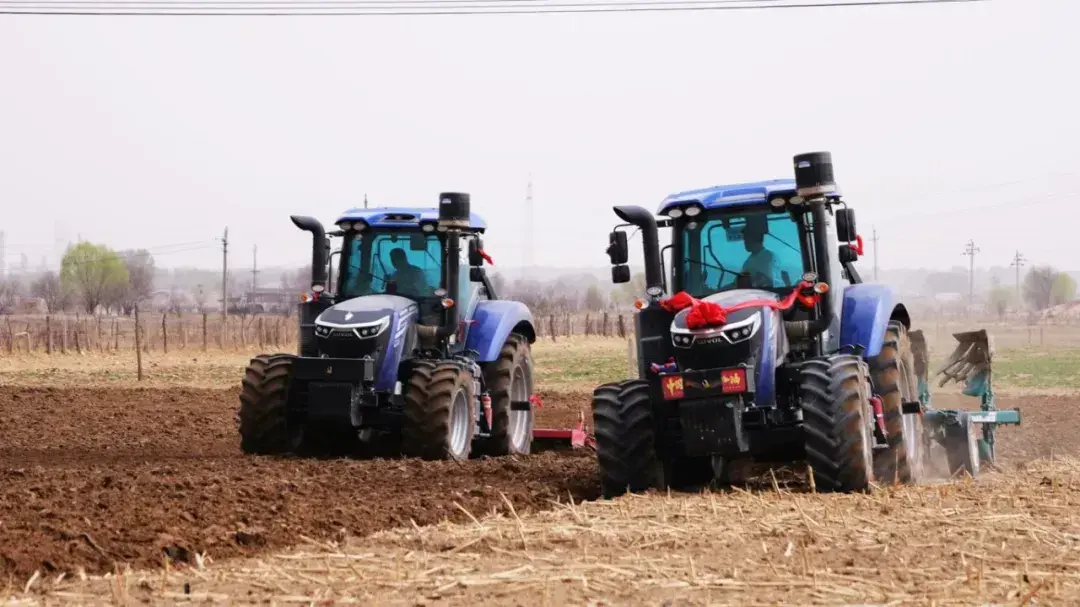
In after-sales maintenance services, the team adheres to the principle of rapid response, accurate troubleshooting and efficient repair, and has established a sound malfunction response mechanism. Technicians receive systematic professional training, with proficient command of the structural principles and maintenance skills of various models. They are capable of on-site door-to-door inspection and accurate fault diagnosis for common issues such as engine failures, chassis wear and hydraulic system malfunctions of tractors, as well as cutting device faults, conveying system jams and electrical system breakdowns of harvesters. By adopting standardized maintenance procedures and high-quality spare parts, the team minimizes repair downtime and reduces farmers’ operational losses caused by machinery breakdowns.
Meanwhile, all services strictly comply with the Philippine National Standard PNS/BAFS/PAES 192:2016, ensuring qualified maintenance quality, extending the service life of agricultural machinery and enhancing its resale value. This not only safeguards the vital interests of farmers, but also promotes the efficient utilization of agricultural machinery resources.